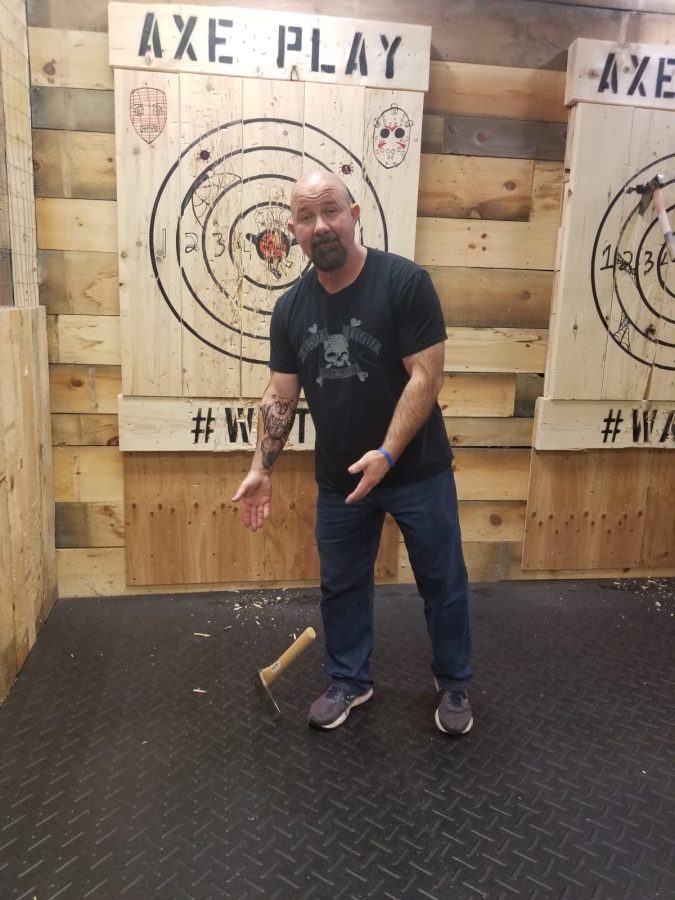
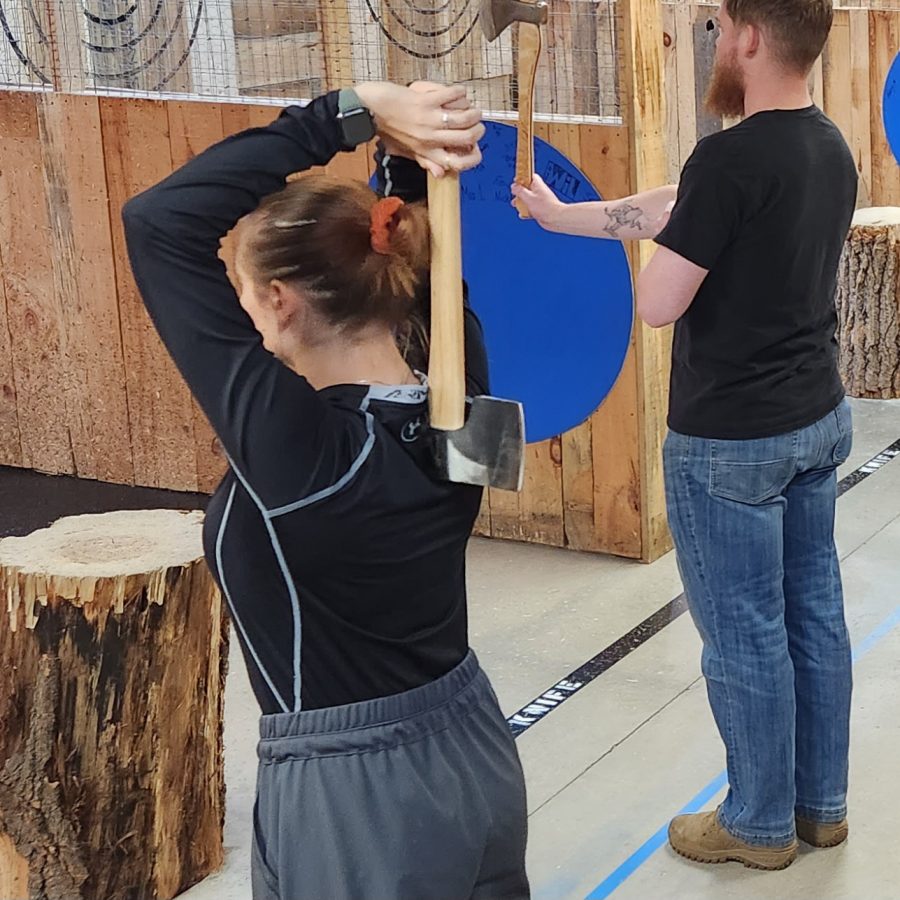
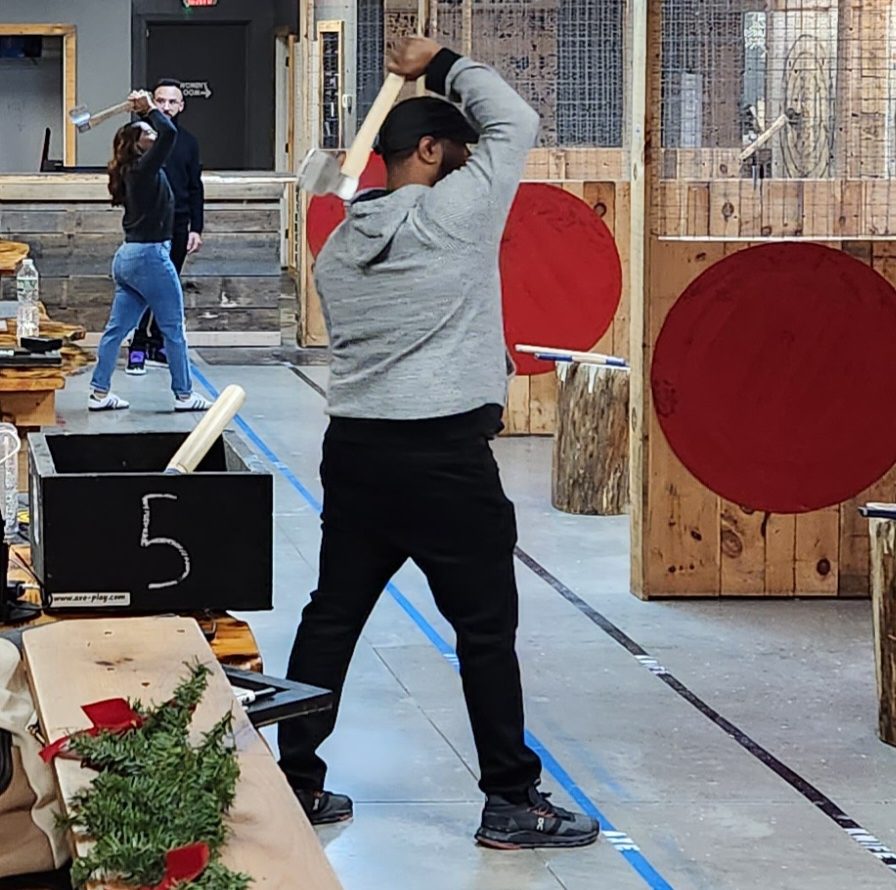
If your axe isn’t sticking, keeps bouncing off the target, or just won’t hit where you want—it’s not bad luck. It’s technique.
The vast majority of new throwers make the same handful of mistakes, and once you fix them, your accuracy improves fast.
Whether it’s throwing too hard, standing in the wrong spot, or gripping the axe like it owes you money, these small issues make a big difference.
The good news? Every one of these is easy to fix—and once you do, everything starts to click.
Mistake #1: Throwing Too Hard
What happens:
Your axe drops short, bounces off the target, or hits with no power.
Why it happens:
Most beginners think axe throwing is about strength—but throwing harder actually makes things worse. It causes poor rotation and inconsistent release.
How to fix it:
Slow it down. Focus on a smooth, controlled motion and let the axe do the work. A relaxed throw with proper form will stick far more consistently than brute force.
Mistake #2: Standing Too Close or Too Far
What happens:
Your axe either over-rotates and hits blade-down, or under-rotates and doesn’t stick at all.
Why it happens:
Distance controls rotation. If you’re too close or too far from the target, the axe won’t complete the right number of spins before impact.
How to fix it:
Start at the standard throwing line, then make small adjustments forward or backward until the axe sticks cleanly. Even a few inches can make a big difference.
This is one of the fastest ways to improve your consistency.
Mistake #3: Gripping the Axe Too Tight
What happens:
Your throws feel inconsistent, forced, or just plain off.
Why it happens:
A tight grip creates tension in your arm and messes with your release timing. Instead of a smooth motion, the axe gets pushed or dragged.
How to fix it:
Loosen your grip. Hold the axe like you would a hammer—firm enough to control it, but relaxed enough for a clean release.
If your arm feels tense, your throw probably is too.
Mistake #4: Flicking Your Wrist
What happens:
Your throws become unpredictable—wild rotation, missed targets, and inconsistent sticking.
Why it happens:
Many beginners try to “add spin” with their wrist, but axe rotation should come from your arm motion, not a last-second flick.
How to fix it:
Keep your wrist straight and let your arm guide the throw. Think smooth release, not snap.
If your throw feels like you’re snapping a whip, it’s probably the problem.
Mistake #5: Overthinking Every Throw
What happens:
Your throws get worse the more you try to “fix” everything at once.
Why it happens:
When you focus on too many adjustments—grip, stance, release, power—you lose consistency and rhythm.
How to fix it:
Pick one thing to improve at a time. Make a small adjustment, throw a few times, then reassess. Keep it simple.
Simple throws beat perfect throws every time.
Start Sticking Your Throws Faster
Most people go from “nothing sticks” to landing solid throws within minutes once these mistakes are corrected.
A few small adjustments make a huge difference—and having someone there to guide you speeds that up even more.
At Axe Play, every session starts with a safety brief and hands-on coaching to help you dial in your throw quickly. Whether it’s your first time or you’re looking to improve, we’ll help you get it right.
Axe Throwing FAQs (Quick Answers for Beginners)
Why won’t my axe stick in the target?
If your axe isn’t sticking, it usually comes down to distance, rotation, or grip. Standing too close or too far changes how the axe rotates, and gripping too tightly can cause inconsistent release. Small adjustments—especially stepping forward or back—can make an immediate difference.
Is axe throwing hard for beginners?
Not at all. Most first-time throwers stick their first axe within a few tries once they understand the basics. With a quick safety briefing and simple technique adjustments, beginners improve fast and start hitting consistently.
Do you have to spin the axe when throwing?
Yes—axe throwing relies on controlled rotation. The goal is usually one and a half clean rotations before hitting the target. Your distance from the target determines how much the axe spins, which is why positioning is so important.
What’s the most common mistake in axe throwing?
The biggest mistake is trying to throw too hard. Power doesn’t equal accuracy. A smooth, controlled throw with proper form is far more effective than forcing it.
Can kids or first-timers try axe throwing?
Yes. Axe throwing is beginner-friendly, and many venues offer modified experiences for younger participants. With proper instruction and supervision, it’s a safe and fun activity for a wide range of ages.
Looking for more answers? Check out our full Axe Throwing FAQ page.